Diamond Trailblazers: The Texas Women Who Are Rewriting What Baseball Looks Like From the Inside Out
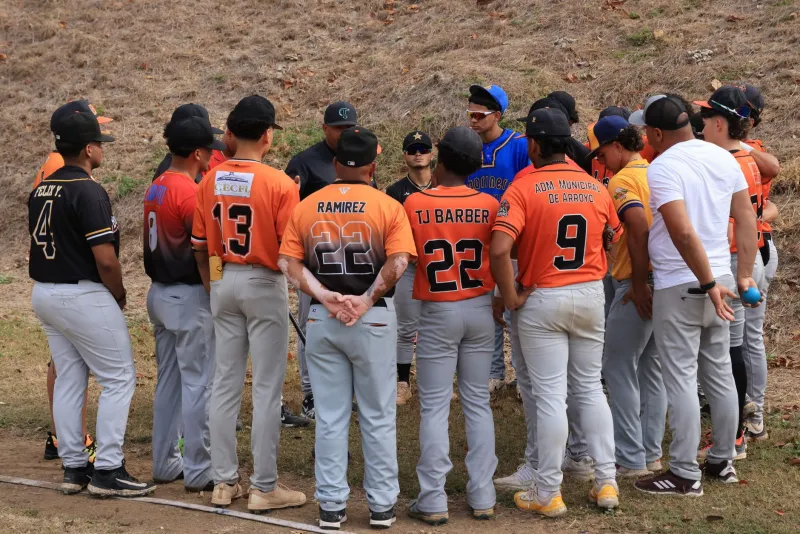
For most of its history, baseball has been built by men, run by men, and explained to the rest of the world by men. That's just the reality of how the sport developed. But spend any time around Texas baseball right now—at the youth level, in collegiate programs, behind the broadcast mic, or in the scouting offices of professional organizations—and you'll notice something changing. Women aren't just watching the game anymore. They're shaping it. And in Texas, where baseball culture runs as deep as anywhere in the country, that shift is carrying a particular kind of weight.
From the Stands to the Dugout
The path from fan to participant isn't always a straight line, but for a growing number of Texas women, it's a path they've decided to walk anyway. Some came to coaching through softball and found that their knowledge translated directly to the baseball diamond—and then some. Others came through player development, through data analysis, through a genuine obsession with the mechanics of hitting or pitching that eventually turned into a career.
What's notable about the Texas women who are making inroads into baseball isn't just that they're there—it's how they got there. Many of them didn't wait for an invitation. They built their own credentials, earned their own certifications, and walked into spaces that didn't always make it easy for them. That's a very Texas disposition, if you think about it. The state's baseball culture has always rewarded the people willing to outwork the room. These women are doing exactly that.
At the youth level especially, the presence of female coaches has started to normalize something that was once considered unusual. Kids growing up in Texas baseball programs today are, in many cases, being coached by women from the time they're eight or nine years old. That normalization matters more than it might seem. It shapes what those kids consider possible, both in terms of who can be an authority on the game and who deserves a seat at the table.
Behind the Mask: Women Umpiring Texas Baseball
Umpiring is one of the toughest jobs in sports—physically demanding, mentally taxing, and relentlessly thankless. It's also been almost exclusively male for most of baseball's history. That's changing in Texas, where female umpires are increasingly working youth leagues, high school games, and amateur tournaments with a level of competence that's earning them respect the hard way: by making good calls.
The resistance, where it exists, tends to fade quickly once a game starts. An umpire who knows the rulebook, maintains composure in a heated situation, and manages a game with authority earns credibility regardless of gender. The Texas women who have committed to umpiring at a serious level have figured this out and leaned into it. They're not asking for a different standard. They're meeting the existing one and sometimes raising it.
There's also something specifically valuable about female umpires at the youth level. For young players—boys especially—having a woman in a position of authority on a baseball field is a formative experience. It challenges assumptions before those assumptions get fully formed. That's a long-term cultural investment that the sport is only beginning to recognize.
Scouting, Broadcasting, and the Business of the Game
Beyond the field, Texas women are making their presence felt in the professional and broadcast sides of baseball in ways that were almost unimaginable a generation ago. Female scouts are working territories across the state, attending high school showcases and travel ball tournaments, building relationships with coaches and families, and filing reports that influence draft decisions at the major league level. Their evaluations are being taken seriously because they're good—not because of any mandate or initiative, but because talent evaluation is a skill, and skills don't have a gender.
In broadcasting, the change is perhaps most visible. Texas-based women have been making their way into the press box and the broadcast booth at various levels of the game, bringing with them a depth of baseball knowledge that challenges the old assumption that female voices on baseball broadcasts are there for novelty rather than expertise. The audiences for these broadcasts are responding positively, and not just because diversity is good optics—because the quality of the coverage is genuinely strong.
What all of these women share, regardless of their specific role, is a commitment to the game itself. They're not there to represent a demographic. They're there because baseball got into them the same way it gets into everyone here in Texas—early, deep, and permanently.
What They're Bringing to the Next Generation
Maybe the most significant contribution Texas women are making to baseball right now is what they're modeling for the kids coming up behind them. Youth development in Texas baseball is a massive enterprise—travel ball, showcases, academies, summer leagues—and the people who run those programs have enormous influence over how young players think about the game and about themselves.
When a young girl at a youth baseball camp looks up and sees a woman running the drills, calling the pitches, and making the decisions, something shifts in her sense of what's possible. When a young boy sees the same thing, something shifts in his understanding of authority and expertise. Both of those shifts matter for the long-term health of the sport.
Texas baseball has always been about passing the game down—from fathers to sons, from coaches to players, from one generation to the next. The women who are now embedded in that chain of transmission are adding something new to what gets passed along: a broader definition of who belongs in the game, and a richer sense of what baseball can look like when it opens its doors a little wider.
That's not a threat to the tradition. It's an extension of it. And in Texas, where we take our baseball traditions seriously, that's about the highest compliment we know how to give.