Home Field Advantage: How Texas Ballplayers Found Themselves by Coming Back Where It All Started
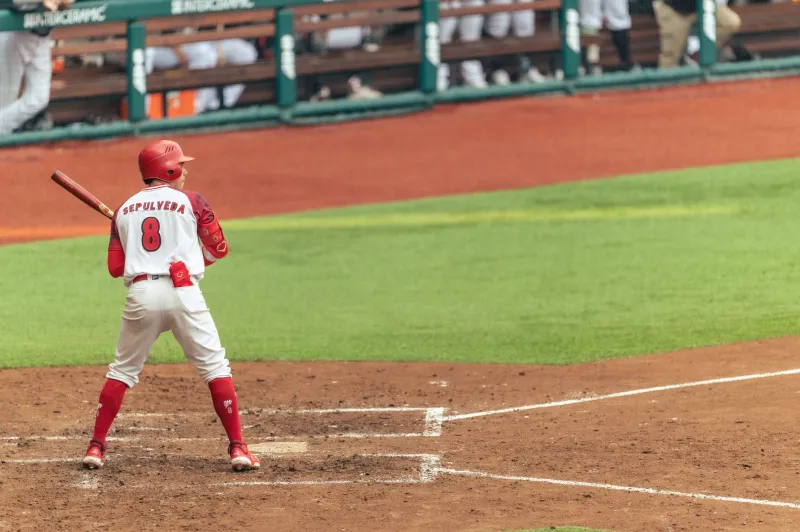
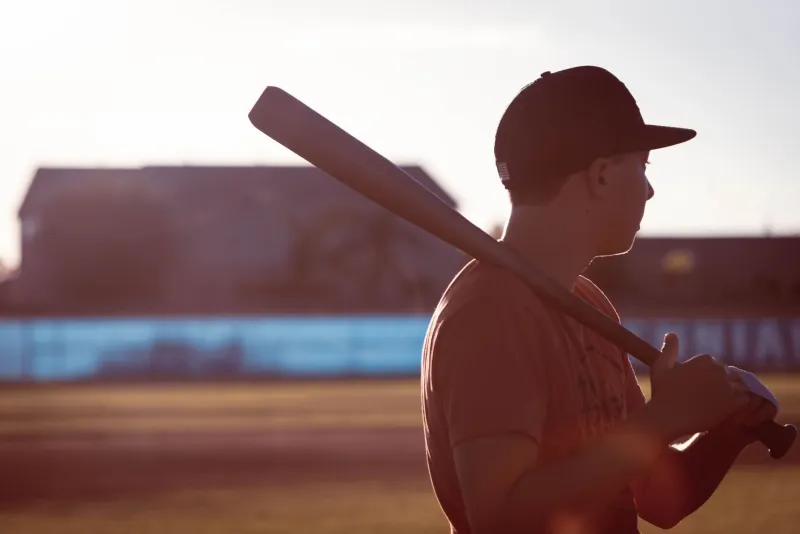
There's a particular kind of quiet that settles over a man when the phone stops ringing. No more front-office calls. No more spring training invitations. No more Triple-A bus rides that feel like purgatory with a batting cage. For a certain breed of Texas ballplayer, that silence is deafening—until they hear something else underneath it. Something familiar. The crack of an aluminum bat on a dusty diamond somewhere in the Hill Country. Kids hollering in the bleachers. The smell of concession stand nachos baking in the summer heat.
That sound? That's home. And for more than a few guys who once had legitimate big-league dreams, coming back to it turned out to be the best baseball decision they ever made.
When the Dream Hits a Wall
Let's be honest about how this usually goes. A kid comes out of a Texas high school or a state university program with legitimate tools—arm strength, bat speed, the kind of makeup scouts scribble stars next to in their notebooks. He gets drafted. Maybe he climbs a few rungs of the minor league ladder. Maybe he even sniffs the majors for a cup of coffee or two. Then the injuries stack up, or the organization shifts direction, or the numbers just don't cooperate, and suddenly he's on the outside looking in.
Affiliated baseball has a brutal economy. There are thousands of players competing for a handful of roster spots at any given moment, and the margin between "prospect" and "released" can be razor thin. A lot of guys respond to that reality by grinding harder, bouncing from organization to organization, chasing the dream across state lines and sometimes across oceans. That path works for some people.
But others? They come back to Texas.
The Independent League Lifeline
Independent baseball often gets treated like the end of the road, but that framing does a disservice to what these leagues actually provide. Circuits like the American Association, the Frontier League, and various regional Texas-based semi-pro operations have quietly become incubators for second acts. The pressure cooker of affiliated ball—the constant evaluation, the organizational politics, the sense that every at-bat is an audition—gets turned way down. What replaces it is something closer to why most of these guys started playing in the first place.
They play because they love it.
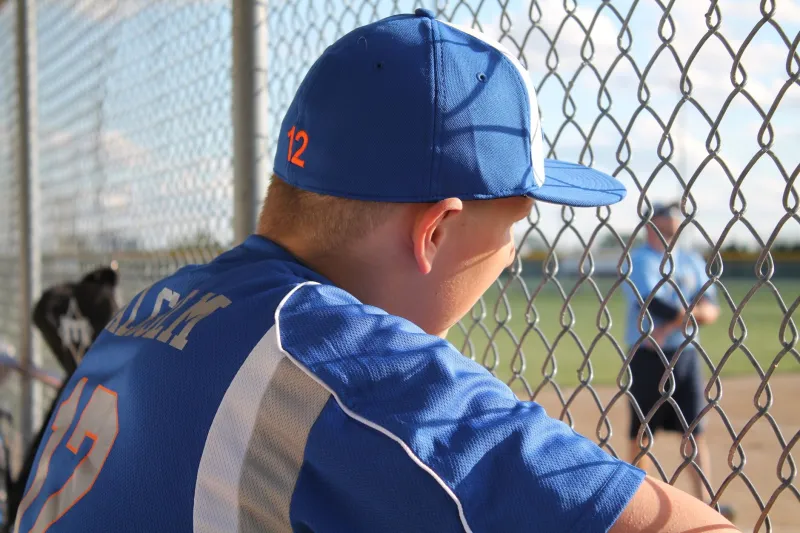
For Texas guys specifically, there's an added dimension to that reset. Coming home means playing in front of people who actually know you. Your old high school coach might be sitting behind the backstop. Your mom might be in the third row. The guy running the concession stand might have watched you play Little League. That kind of familiarity can feel like pressure, sure, but it can also feel like armor.
Several former affiliated players who returned to Texas-based independent or semi-pro programs have talked about rediscovering their competitive edge precisely because the stakes felt human again. Not corporate. Not transactional. Just baseball between people who care about it.
Pitching Through a Second Chance
The comeback stories that stick with you tend to involve pitchers. There's something about the art of pitching—the constant adjustment, the chess match with hitters, the way experience can compensate for diminishing velocity—that lends itself to extended careers when the right environment is present.
Consider the archetype, if not always the exact headline name: a right-hander from somewhere in East Texas who maxed out in Double-A, got released at 26, and spent a year away from the game entirely before a former teammate convinced him to try out for an independent team playing out of a mid-sized Texas city. He shows up a little heavier, a little slower, but with a curveball he finally figured out how to throw for strikes. Two seasons later, he's getting looks again from affiliated scouts who want to know what changed.
What changed was the context. He stopped trying to be what organizations wanted and started being what he actually was—a crafty, intelligent pitcher who needed room to develop on his own timeline.
That story, in one form or another, plays out across the Texas independent and semi-pro landscape more often than people realize.
The Coaching Pivot
Not every comeback is about finding a roster spot. Some of the most meaningful second acts happen in the dugout rather than on the field. Texas has a deep tradition of former players transitioning into coaching at the high school and junior college level, and for guys who came up through the professional system, that transition can carry a particular kind of richness.
They've seen the other side. They know what scouts look for, what the minor league grind actually feels like, what separates the guys who make it from the guys who almost did. That knowledge—hard-won and often painfully acquired—becomes genuinely valuable when it's passed down to the next generation of Texas kids trying to figure out their own paths.
There's something almost poetic about it. The guy who couldn't quite crack a big-league roster ends up shaping a dozen careers that might go further than his own. His baseball life doesn't end; it multiplies.
What Texas Gives Back
Part of what makes these homecoming stories resonate so deeply in the Texas baseball community is the state's particular relationship with the game. Baseball here isn't just a sport—it's woven into the fabric of small towns, family histories, and regional identity in ways that don't exist everywhere. When a player comes back to that world, they're not just returning to a geography. They're returning to a value system.
Hard work. Loyalty. The idea that you show up and compete no matter what the scoreboard says. Those aren't abstract concepts in Texas baseball culture—they're the currency of respect.
And maybe that's why coming home works as a career reset in ways that other options don't. The environment reinforces the right things. It strips away the noise and reminds a player—or a coach, or a scout—what the game is actually about at its core.
The Quiet Wins
The comebacks that happen in Texas's independent leagues and semi-pro circuits rarely make national headlines. You're not going to see a feature on Baseball Tonight about a 29-year-old former prospect rediscovering his love for the game while pitching for a team out of the Permian Basin. But inside the Lone Star baseball community, those stories circulate. They matter.
Because baseball, at its best, isn't just about the majors. It's about the totality of a life spent around the game—the early mornings, the long drives, the teammates who become brothers, the moments of genuine beauty that happen on diamonds nobody outside the county has ever heard of.
Texas has always understood that. And the players who come back to find it again? They usually leave with something more valuable than a box score line.
They leave with the game back in their chest, right where it belongs.