Lose On Purpose: The Texas Baseball Coaches Who Teach Kids to Fail Before They Can Fly
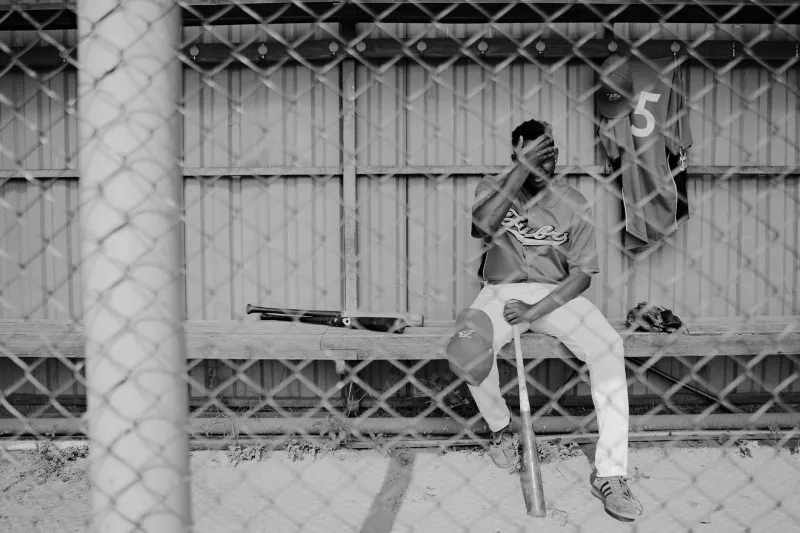
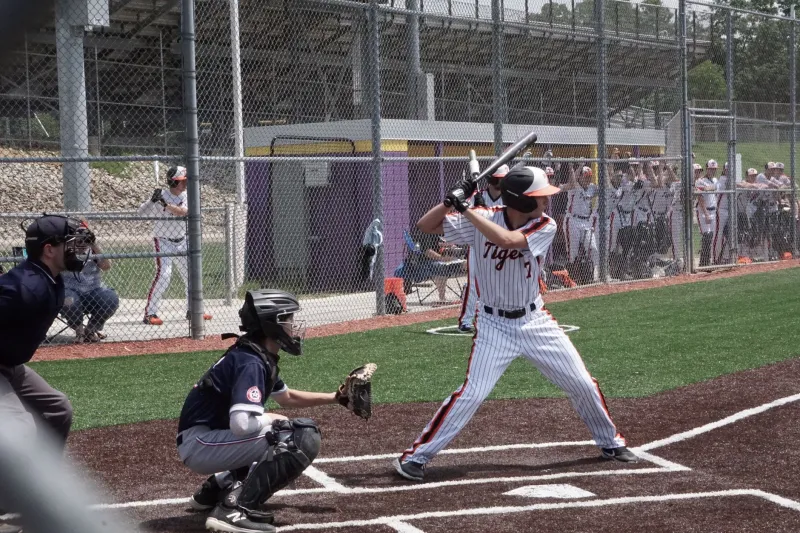
There's a moment in baseball that every Texas kid knows. Bottom of the seventh, two outs, runners on the corners. You're at the plate. The whole town is watching. And you strike out looking.
Most coaches will tell you what you did wrong. A few will pat you on the back. But a growing number of coaches across the Lone Star State are doing something different — something that might seem almost counterintuitive at first glance. They put you right back in that situation the next day at practice. And the day after that. And they let you fail again.
On purpose.
Pressure Cookers and Practice Fields
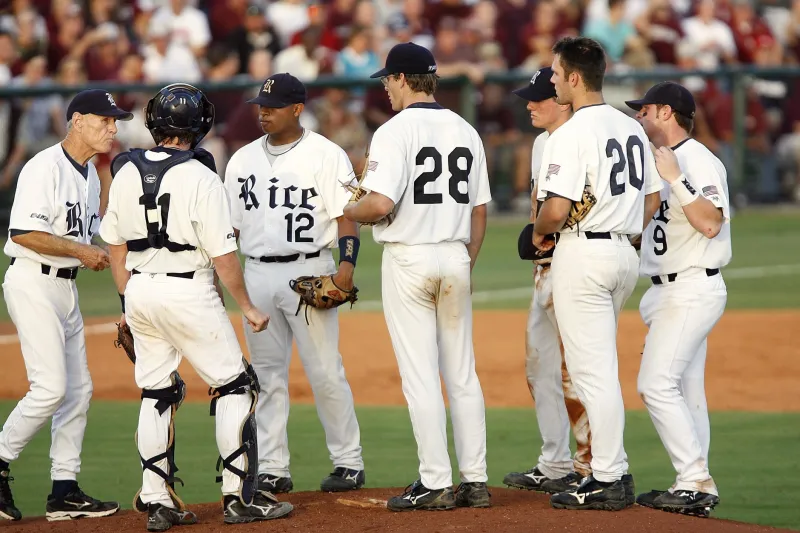
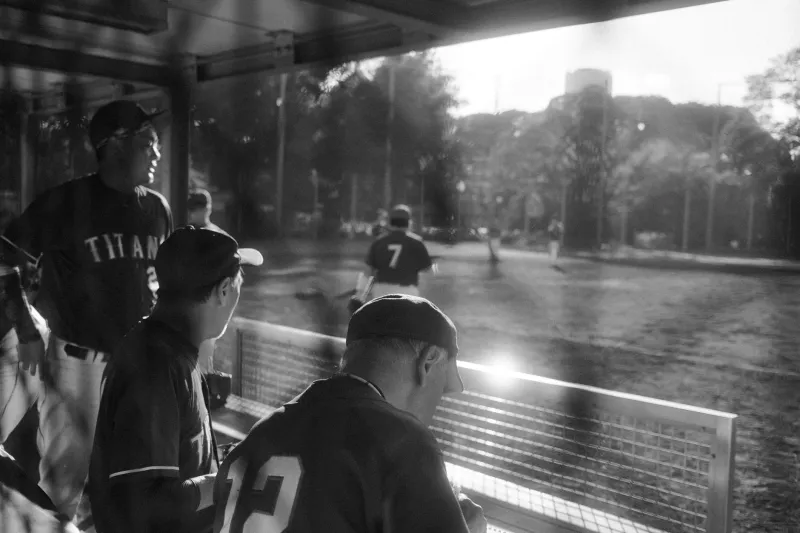
Walk into the right Texas dugout on a Tuesday afternoon and you might see something that looks less like baseball practice and more like a controlled experiment in human frustration. Coaches are running drills specifically designed to overwhelm their players — pitch counts that don't reset, fielding scenarios where the odds are stacked against the defense, batting practice situations where getting a hit almost isn't the point.
Coach Ray Delgado, who runs a 6A program outside San Antonio, has been doing this for going on twelve years. "People think I'm trying to make kids miserable," he says with a laugh, leaning against the dugout rail. "I'm not. I'm trying to make them bored of failure. There's a difference."
Delgado's logic is straightforward, even if the method sounds a little rough around the edges. If a kid has already failed in a controlled, low-stakes environment fifty times before he ever steps on a Friday night field, that Friday night failure doesn't carry the same weight. It's familiar territory. He's been there before. He knows the way back.
"The worst thing that can happen to a young player," Delgado says, "is that everything goes right early. Because eventually it won't. And if they've never been through it, that first real failure can break them."
The Texas Twist
This philosophy isn't exactly new to sports psychology, but the way it's showing up in Texas baseball has its own particular flavor. Coaches here aren't just borrowing from academic research or copying what they read in a coaching manual. A lot of this thinking grew organically out of the Texas experience — the brutal summer heat, the unforgiving travel ball circuit, the sheer volume of talent competing for limited spots.
When you coach in Texas, you're not worried about keeping kids interested in the sport. Baseball is practically a birthright here. What you're worried about is what happens when those kids — who've been told since T-ball that they're special — run headfirst into the wall that every serious athlete eventually hits.
Coach Tammy Okafor, who works with a high-level club program in the Houston metro area, puts it bluntly. "Texas produces incredible raw talent. That's never been the issue. The issue is that raw talent doesn't come with a built-in ability to handle adversity. That part has to be taught. And it has to be practiced just like anything else."
Okafor's program uses what she calls "failure windows" — short stretches of practice time where players are placed in situations they are almost certain not to succeed at. The goal isn't to embarrass anyone. It's to normalize the experience of coming up short and then having to refocus and compete again immediately.
When Winning Gets in the Way
Here's where things get genuinely interesting — and a little uncomfortable for some traditional baseball folks. Several of these coaches have made the deliberate choice to deprioritize win-loss records during the regular season in favor of what they call "developmental exposure."
That means voluntarily scheduling tougher opponents. It means pulling a pitcher who's cruising through a no-hitter to put in a kid who needs the reps under pressure. It means letting a slumping hitter work through it instead of benching him to protect the score.
Not everyone is on board with this. Parents, in particular, can push back hard. And honestly, that tension is part of the story.
"I've had parents sit in my office and tell me I'm ruining their kid's confidence," says Delgado. "And I understand that. I really do. But the data doesn't lie. The kids who come through our program and go on to play at the next level — they're not the ones who had the prettiest stats in high school. They're the ones who got knocked down and figured out how to get back up before anyone had to tell them to."
Scouts Are Starting to Notice
Here's the thing — the people who evaluate talent for a living are paying attention to this shift. College coaches and professional scouts have long known that mental makeup is one of the hardest things to project in a young player. A kid with a 90-mile-an-hour fastball and a glass jaw doesn't go very far. But a kid with an 87 who's already been to the bottom and climbed back? That's a different conversation.
Texas has always been a pipeline state. The names that come out of here every draft cycle are proof of that. But scouts who've been covering the state for a while will tell you there's something different about the players coming out of certain programs — a steadiness, a lack of panic when things go sideways, an ability to reset between pitches or at-bats that you just can't teach in a week.
Except, apparently, you can. It just takes a lot of deliberate, uncomfortable repetition.
The Bigger Picture
What's happening in these Texas dugouts is really a conversation about what sports are actually for. Is a high school baseball program meant to produce the best possible record for the school? Or is it meant to produce the best possible version of each player — not just as an athlete, but as a person who knows how to face something hard and keep moving?
Most coaches would say both. But when those goals conflict, the ones who've leaned into the failure-first philosophy seem increasingly convinced that the second goal is the one that matters more. Because baseball, like life, is mostly failure with occasional moments of grace. The kids who understand that early — really understand it, not just hear it as a cliché — are the ones who tend to stick around the longest.
Somewhere on a dusty practice field in Central Texas right now, a kid just struck out for the third time in a row on a drill his coach set up specifically to make him fail. He's frustrated. His hands are on his knees. And his coach is already calling him back to the box.
That's not cruelty. That's the education.
And in Texas, it's becoming one of the most important lessons the game has to offer.