Bring Back the Bad Blood: The Texas Baseball Rivalries That Time Forgot (And Why We Need Them Back)
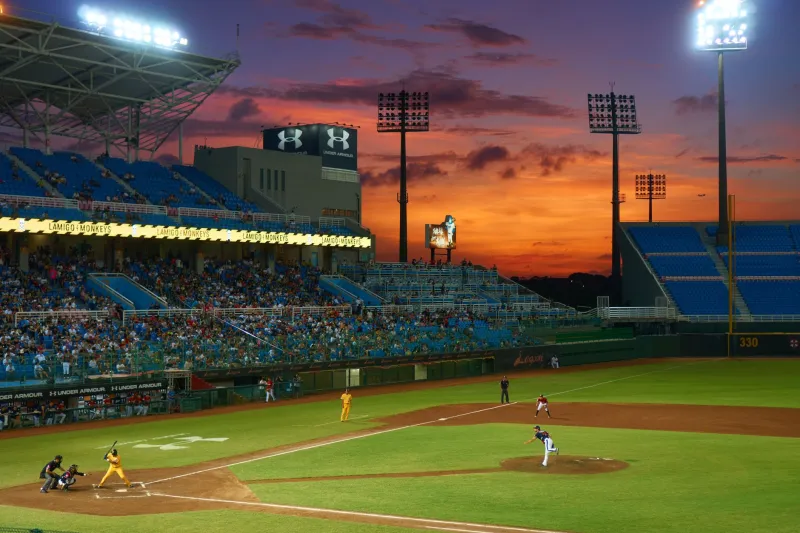
Let me tell you about a game that used to stop a town cold.
Every spring, sometime in late April, two small cities in Central Texas would essentially shut down for an afternoon. Businesses closed early. Farmers left fields. Teachers — the ones brave enough to admit it — mentally checked out by third period. Because when those two programs met on the diamond, it wasn't just baseball. It was something closer to a civic referendum. Who you were, where you came from, what your town stood for — all of it got settled between the chalk lines.
That game doesn't happen anymore. Scheduling changes, district realignments, and the quiet erosion of regional tradition eventually pulled those teams apart. And the communities that once defined themselves through that rivalry? They lost something real. Something that can't be replaced by a playoff bracket or a neutral-site showcase game.
This is a story about what Texas baseball lost when it stopped paying attention to its own history — and a loud, unrepentant argument for getting it back.
When the Game Meant More Than the Game
Rivalries in Texas baseball were never really about baseball. That sounds like a contradiction, but anyone who grew up around one knows exactly what it means. The sport was the container. What actually got poured into it was everything else — decades of competing for the same territory, the same resources, the same bragging rights at the feed store and the diner and the Friday night football game.
Martha Delgado, 71, grew up in the Brazos Valley and remembers driving forty-five minutes each way to watch her high school team play their crosstown rivals in the late 1960s. "We didn't have air conditioning in the car," she told Lone Star Dugout with a laugh. "Didn't matter. You went. Everybody went. My daddy used to say that game told you something about a man's character — whether he could handle losing to somebody he'd be sitting next to in church the next morning."
That's the texture of what these rivalries produced. Not just good baseball — though there was plenty of that — but a shared cultural experience that wove itself into the fabric of a community in ways that lasted long after the final out.
The Rivalries We've Lost
Let's get specific, because vague nostalgia doesn't do justice to what actually existed.
The annual showdown between programs in the Piney Woods region of East Texas — think Nacogdoches versus Lufkin, or Carthage versus Center — used to draw crowds that rivaled some college games. These weren't powerhouse programs by state championship standards, but they were deeply personal matchups between communities that shared borders, shared histories, and shared an intense competitive desire to be better than their neighbors. District realignments over the past two decades have shuffled these schools into different brackets, eliminating the regular-season meetings that used to anchor the spring calendar.
In the Panhandle, Amarillo and Lubbock programs once had a regional rivalry that carried genuine weight in West Texas baseball circles. The geographic isolation of that part of the state meant that when those teams played, it was an event — the closest thing to a major sporting occasion many families in the region would see all year. Today, scheduling logistics and the pull toward larger regional tournaments have diluted what used to be a marquee regular-season matchup.
And don't even get longtime Houston-area fans started on the suburban rivalries that once defined spring sports culture in Harris County. Programs from Pasadena, Deer Park, La Marque, and Texas City used to compete in a geography-driven gauntlet that felt like its own mini-league. Players from those towns knew each other's pitchers by scouting report before they ever stepped in the box. That intimacy — that specific, neighborhood-level familiarity — is gone now, replaced by a broader, more anonymous competitive landscape.
"It's not that the baseball is worse," says retired coach Dale Hutchins, who spent 28 years running a program in the Gulf Coast region. "It's that the meaning is different. Kids today play great baseball. But they don't always know why they're playing these guys. The rivalry had a story. You need the story."
What Killed Them?
The culprits are familiar to anyone who's watched regional sports culture erode over the past few decades. UIL district realignments, driven by enrollment numbers and competitive balance concerns, regularly shuffle schools into new groupings with little regard for geographic proximity or historical connections. A school that spent forty years playing its natural rival in the next county might suddenly find itself grouped with programs two hours away.
Travel costs have compounded the problem. For smaller programs with limited booster budgets, driving across the state for a regular-season non-district game is a hard sell when you're already stretched thin. The economics of modern high school athletics increasingly favor consolidation and efficiency over tradition.
Then there's the tournament culture. The proliferation of spring showcase events — many of them excellent baseball operations, to be fair — has eaten into the calendar space that used to be reserved for regional matchups. Coaches who might once have scheduled a meaningful rivalry game in March now fill that slot with a tournament that offers more exposure for their players. It's a rational decision. It's also a slow-motion funeral for something irreplaceable.
The Case for Revival
Here's what I want to ask every athletic director, every UIL official, and every school administrator reading this: What are you actually optimizing for?
If the answer is competitive balance and college exposure, fine. The current system does a decent job of that. But if the answer includes community engagement, student experience, and the cultivation of genuine local sports culture — then the current system is failing, and we need to talk about fixing it.
The good news is that bringing back these rivalries doesn't require a systemic overhaul. It requires intention. Schools can schedule non-district rivalry games without waiting for UIL permission. Booster clubs can fundraise specifically to offset travel costs for a game that matters. Local newspapers and radio stations — many of which are desperate for compelling local content — would cover these matchups with the kind of enthusiasm that generates community energy.
Some programs are already doing this quietly. There are coaches in Texas right now who've reached out to old rivals, negotiated early-season matchups, and watched their communities respond with exactly the kind of electricity that's been missing. It works. People show up. Concession stand lines stretch around the building. Former players drive back from wherever life has taken them just to be in the bleachers for one game.
Roberto Canales, a former catcher who played in one of those East Texas rivalries in the early 1990s, drove four hours last spring when he heard his old school was playing a one-off game against their historic rival for the first time in eleven years. "I cried when I pulled into that parking lot," he said. "I'm not embarrassed to say it. That place meant everything to me. That game meant everything. And it was still there."
The Last Word
Texas baseball is in a genuinely great place right now. The talent is deep, the facilities are impressive, and the state's presence in professional baseball is stronger than ever. None of that is in question.
But greatness isn't just about production. It's about meaning. And the rivalries that once gave this game its deepest meaning in communities across the state deserve better than to quietly disappear into a scheduling spreadsheet.
Bring back the bad blood. Bring back the packed bleachers and the nervous dads and the grandmothers who've been watching this game since before half the current coaches were born. Bring back the story.
Texas baseball didn't get great because it forgot where it came from. It got great because it remembered. Time to prove that again.