Outside the Pipeline: How Texas Entrepreneurs Are Building a New Baseball Economy From the Ground Up
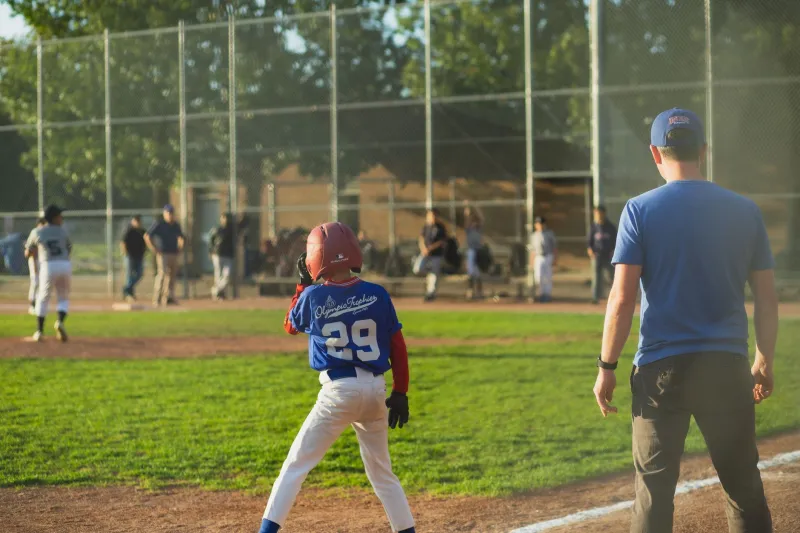
For decades, the road to professional baseball ran through two gates: a college scholarship or a draft pick. If you didn't fit neatly through either one, the game had a way of moving on without you. But something is shifting in Texas, and it's happening fast.
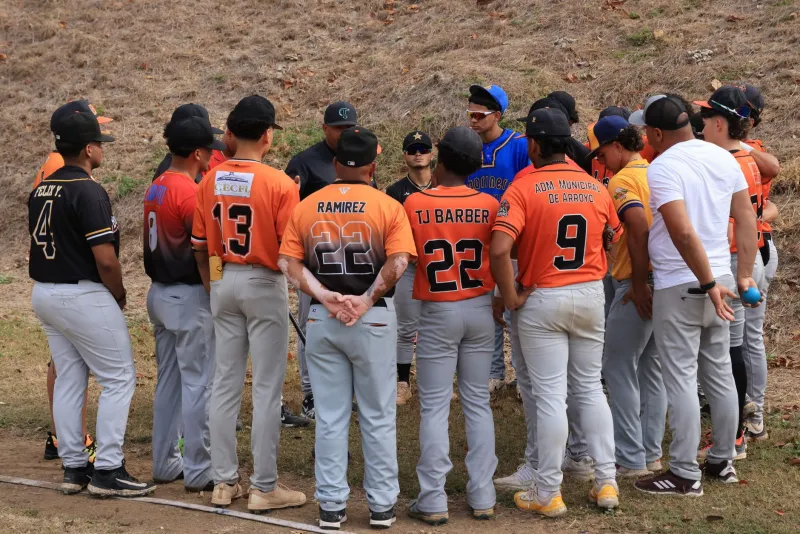
Across the state, a quiet but determined movement is taking shape — one built not by MLB front offices or Power Five programs, but by former players, local business owners, and community leaders who got tired of watching talent disappear simply because it didn't fit the mold. They're building independent leagues, development academies, and year-round training ecosystems that are turning Texas into something it's never quite been before: a hub for alternative baseball pathways that actually work.
The Old System Left People Behind
Let's be honest about what the traditional pipeline looks like for a lot of kids in this state. You play high school ball, maybe you're good enough to get noticed, maybe you're not. College programs have limited roster spots. The MLB Draft is a long shot for nearly everyone. And if you're a late bloomer — a player who doesn't peak at seventeen — the system has almost nothing to offer you.
That gap is exactly what a new generation of Texas baseball entrepreneurs is targeting.
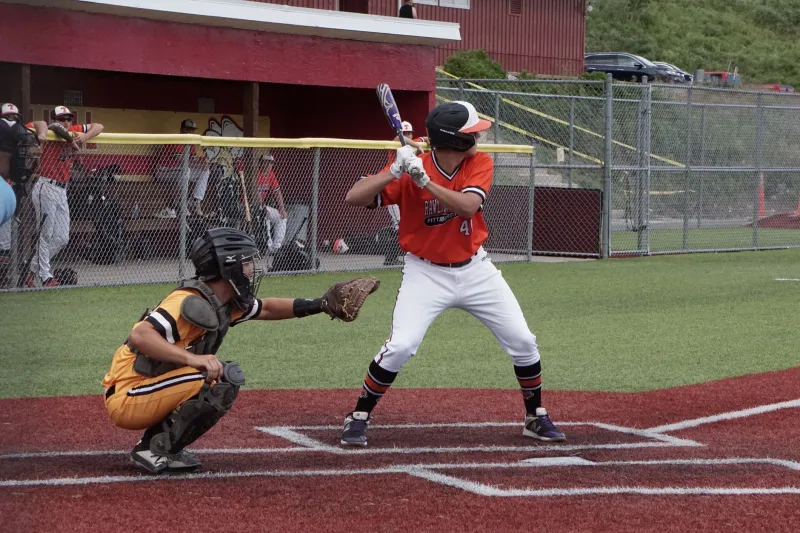
Take the Pecos League, which has operated teams in West Texas for years. It's not glamorous. The buses are long, the per diems are thin, and the stadiums hold more tumbleweeds than fans on some nights. But the league has quietly become a proving ground for players who need more reps, more time, and more belief than affiliated ball is willing to give them. Several Pecos League alumni have gone on to sign affiliated contracts after putting up numbers in places like Alpine and Santa Fe — proof that the path doesn't have to be straight to work.
Academies Filling the Gaps
Beyond independent leagues, development academies have exploded across the state over the last five years. These aren't your weekend travel ball setups. We're talking about full-year programs with professional-level coaching, biomechanical analysis, and structured development plans built around individual athletes.
In the Houston metro area alone, several former minor leaguers have launched facilities that blend elite instruction with real competitive opportunity. The pitch development centers that have popped up in the DFW suburbs are drawing players not just from Texas but from across the South — kids who've been released, overlooked, or simply need a different environment to unlock what they've got.
What makes these academies different from the travel ball industrial complex is focus. Instead of chasing tournament wins to impress scouts, the best of these programs are designing training around long-term player development. Spin rates, exit velocity, arm care — the same language MLB organizations use internally is now being spoken in converted warehouses off Texas state highways.
The People Driving the Change
Who's building all this? More often than not, it's someone who lived the experience firsthand.
Former minor leaguers who spent years grinding through the affiliated system — and watched teammates get cut for reasons that had nothing to do with talent — are pouring that frustration into something constructive. They understand the mental weight of being told you're not enough. They know what it feels like to have a dream but no infrastructure to support it. And they're using that understanding to build programs that lead with empathy as much as instruction.
In San Antonio, you'll find coaches running weekend clinics in neighborhoods where travel ball money simply doesn't exist. In the Rio Grande Valley, community organizations are partnering with former players to keep kids in the game past the age when most programs start cutting rosters. These aren't charity projects — they're serious baseball operations with real competitive pipelines attached.
What This Means for the State
Texas has always produced elite baseball talent. That's not new. What IS new is the infrastructure forming around that talent — a secondary ecosystem that catches players the primary system drops.
The ripple effects are real. Independent league teams are generating local economic activity in smaller markets that haven't had professional sports to rally around. Development academies are creating coaching jobs for former players who want to stay in the game. And perhaps most importantly, players who would have walked away from baseball at twenty-two are now getting the time they need to develop into legitimate professional prospects.
Not every player who goes through one of these programs is going to make it to the big leagues. That's never been the point. The point is that Texas baseball is big enough, passionate enough, and resourceful enough to build a world where the game doesn't have to end just because one door closed.
The Road Ahead
There are still challenges. Funding independent operations is hard. Keeping quality coaching staff without MLB-level salaries requires creativity. And the cultural prestige gap between affiliated and independent ball is real — players sometimes have to fight their own doubts about whether the path they're on is legitimate.
But the momentum is undeniable. Every year, more programs launch. More investors write checks. More former players come home to Texas with something to prove and something to give.
The traditional pipeline isn't going anywhere. But in Texas, it's no longer the only game in town. And for the players who didn't fit the old mold, that changes everything.