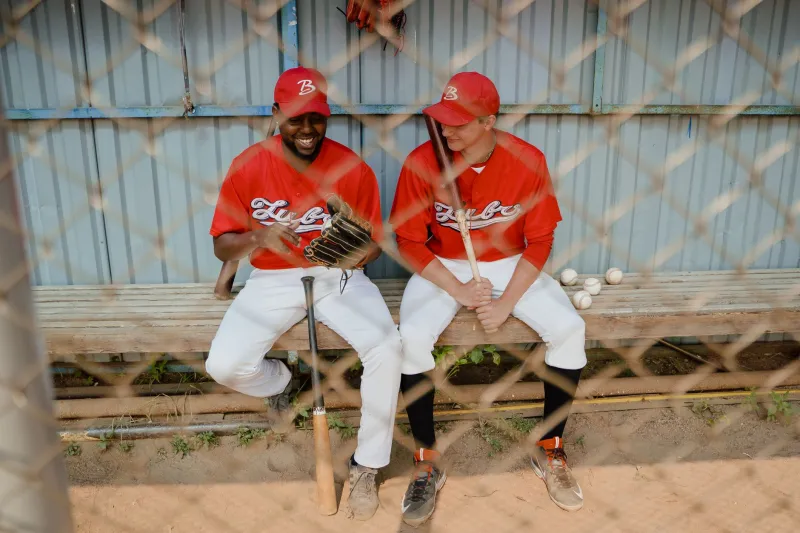
Sitting Still, Growing Tall: The Quiet Education Happening Inside Every Texas Dugout
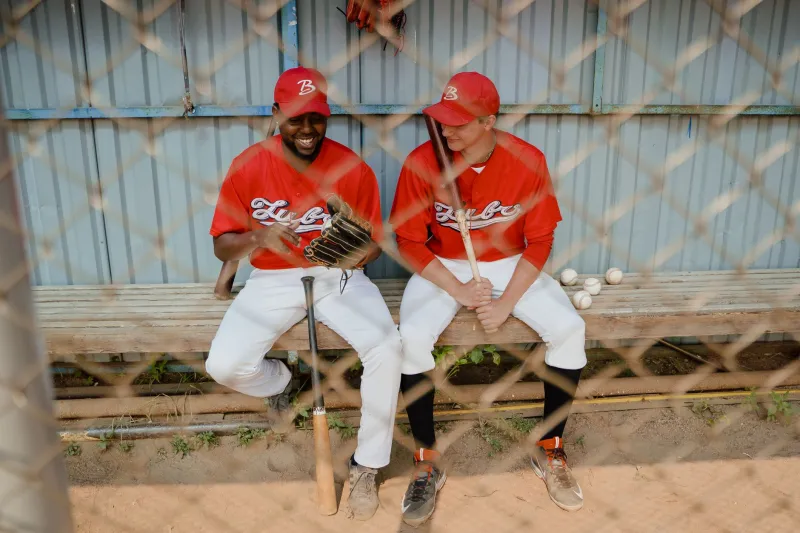
There's a moment every baseball player knows. You're sitting on the bench, helmet in your lap, watching a teammate dig into the box while the Texas sun hammers the aluminum roof overhead. You're not playing. You're waiting. And somewhere in that waiting — in the sweat and the sunflower seeds and the low murmur of a coach calling signs — something starts to happen to you that nobody warned you about.
You start to see the game differently.
That's the thing about the dugout that doesn't get talked about enough in Texas baseball circles. Everyone celebrates the home run, the strikeout, the diving stop in the gap. But the real character work? A lot of it happens on that bench. And in a state where baseball is woven into the cultural fabric from the Panhandle down to the Rio Grande Valley, the dugout experience shapes players in ways that go way beyond baseball.
The Bench Isn't a Punishment — It's a Classroom
Ask any Texas high school coach worth his lineup card, and he'll tell you the same thing: how a kid handles not playing tells you everything about who he is. It's easy to be a good teammate when you're starting. It's a whole different thing when you're watching someone else take your spot.
At programs across the state — from powerhouses like Katy and Southlake Carroll to smaller 3A schools out in West Texas — coaches talk about the dugout as a proving ground for emotional maturity. Players who learn to cheer hard for a guy who beat them out for a starting role? Those kids tend to be the ones who lead the team bus home after a tough loss. They're the ones who calm down a pitcher shaking off a rough inning. They develop something that's genuinely hard to teach: the ability to care about a team outcome more than personal glory.
That's not a small thing. In a culture that worships the individual highlight, learning to subordinate your ego to the group is practically a countercultural act.
What You Learn When You're Watching
Here's something coaches and veteran players across Texas will tell you: you actually learn more about baseball from the dugout than you do standing in the field or at the plate. When you're in the action, instinct takes over. When you're watching, your brain is processing.
Bench players study pitchers in ways that starters can't. They clock delivery patterns, notice when a curveball is tipping, track how a pitcher's arm slot drops in the fifth inning. They're building a mental database in real time. By the time they get their at-bat — maybe in the seventh inning, maybe as a pinch hitter with the game on the line — they've been studying that pitcher for two hours.
That kind of preparation, that discipline of attention, carries over. Former players will tell you the same story: the habits they built watching from the bench — staying focused, staying ready, never checking out — became habits they carried into jobs, into relationships, into life. You learn that readiness is a choice you make before your number is called, not after.
The Mentorship Nobody Talks About
In a typical Texas varsity dugout, you've got seventeen-year-old seniors sitting next to fifteen-year-old sophomores who are still figuring out how to tie their cleats the right way. That gap in experience creates something organic and genuinely special: informal mentorship.
It's not structured. Nobody calls it mentorship. But watch a dugout closely for nine innings and you'll see it everywhere. The senior outfielder quietly telling the nervous freshman how to breathe before his first varsity plate appearance. The junior catcher explaining to a backup why the third baseman was shading toward the line on that last pitch. The team captain — not the loudest guy, usually, but the steadiest — keeping the energy level right when the game starts slipping away.
Texas baseball has always had a strong tradition of older players investing in younger ones. Part of that comes from the sheer volume of talented players in this state. Competition is fierce. But the culture in most programs pushes back against pure selfishness. There's a reason so many Texas players go on to become coaches, teachers, and mentors themselves. They learned somewhere that pulling someone else up doesn't pull you down.
The Weight of Waiting
Let's be honest about something: waiting is hard. It's especially hard when you're seventeen and your parents drove forty-five minutes to watch you and you haven't been in the game since the third inning. The dugout tests patience in a very specific, very real way.
Learning to manage that frustration — to stay locked in without letting the disappointment eat you alive — is a skill that takes years to develop. Some kids never get there. But the ones who do? They walk out of high school baseball with a kind of emotional regulation that most adults are still working on.
Coaches across Texas will tell you they can spot the kids who've genuinely made peace with the bench. It's not resignation. It's not indifference. It's a focused calm — a willingness to be useful right now in whatever way the team needs, even if that way is cheering, or relaying signs, or just keeping the energy positive in the late innings when legs are tired and the scoreboard isn't friendly.
That's resilience. And Texas baseball builds a lot of it in the most unglamorous setting imaginable: a wooden bench, a bucket of sunflower seeds, and a game unfolding sixty feet away.
More Than a Bench
The dugout doesn't make the highlight reel. It doesn't trend on social media. But walk into any Texas baseball program with a winning culture and you'll find coaches who guard that dugout environment like it's sacred ground — because they know it is.
What happens on that bench, in those hours of waiting and watching and supporting and learning, is the invisible infrastructure underneath every great team. It's where boys start figuring out how to become steady men. It's where the competitive fire gets tempered with something more durable: perspective, patience, and the quiet knowledge that your moment is coming if you stay ready.
In Texas, we celebrate the big swing. We love the strikeout that ends the inning. But maybe we ought to spend a little more time appreciating the kid on the end of the bench who hasn't played in three games, who's still cheering his lungs out in the eighth inning like the season depends on it.
Because in a way, it does. And somewhere down the road, so will everything else he does.