The What-Ifs: Texas Baseball's Brightest Flames That Burned Out Too Soon
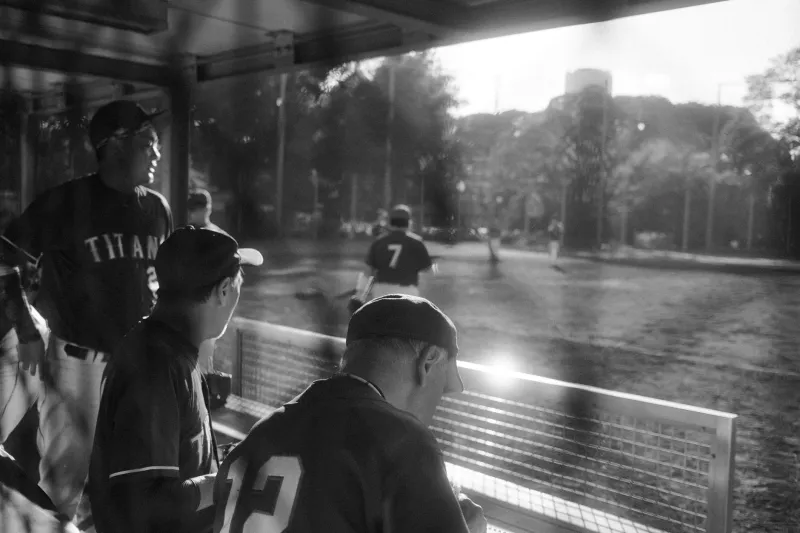
Baseball has a way of building you up slow and tearing you down fast. Nowhere is that more true than in the long, winding journey from a Texas high school diamond to a professional roster. For every player who makes it, there are dozens—some of them genuinely elite—who don't. Not because they lacked the talent. Not because they didn't put in the work. But because baseball, at its core, is a game that doesn't owe anybody anything.
This piece isn't a lament. It's a celebration, of sorts—a tip of the cap to the Texas players who deserved more from the sport than they got, and whose legacies deserve more than a footnote.
When the Body Quits Before the Dream Does
Injury is the cruelest villain in any athlete's story, and baseball is no exception. Across Texas, there are coaches who still talk in hushed, almost reverent tones about certain players they had—kids who were genuinely different, who had that thing that can't be taught, who were flat-out going somewhere. And then one bad landing, one awkward swing, one pitch thrown on a tired arm—and everything changes.
The hard truth about baseball injuries is that they don't discriminate. Tommy John surgery has become almost routine at the professional level, but timing matters enormously. A pitcher who blows out his elbow in Single-A at twenty years old faces a completely different recovery landscape than one who does it at twenty-five with a proven track record. The younger player is often released before he's even finished rehabbing. Teams have rosters to manage and limited patience for unknowns.
Texas has produced more than its share of pitching prospects who looked like future rotation anchors before their arms gave out at the worst possible time. Some of them came back and had solid careers at independent or minor league levels. Some walked away entirely. A few went into coaching and are now shaping the next generation—which is its own kind of legacy, even if it's not the one they planned.
Timing, Depth Charts, and the Doors That Never Opened
Sometimes it isn't injury that kills a career. Sometimes it's just the roster in front of you. Baseball's organizational depth can be brutal in that way. A player can do everything right—hit his numbers, play elite defense, show up every day ready to work—and still spend five years in Triple-A because the guy at his position in the big leagues is a perennial All-Star who isn't going anywhere.
Texas has had outfielders who put up numbers that would have earned them a starting job on half the teams in the league, only to be stuck behind an established veteran on the one team that owned their rights. Some of them got traded eventually and got their shot. Others aged out of the prospect window before the opportunity came. The difference between a ten-year major league career and a career that ends in the minors is sometimes nothing more than which organization drafted you.
It's a dimension of professional baseball that fans don't always appreciate, because the outcomes look the same from the outside. The player didn't make it. But the reasons behind that outcome can vary wildly—and for a lot of Texas players, the reason wasn't ability.
The Local Legends Who Never Left the Headlines
Here's the thing about Texas baseball: the state is big enough and the culture is deep enough that a player doesn't need to make the majors to become a legend. There are guys in small Texas towns who played a few years of professional ball, came home, and became mythological figures in their communities. Their names get dropped in dugout conversations. Their high school stats get recited at barbecues. Their influence on younger players is real and lasting.
These are the players who never got the national recognition their talent warranted, but who built something durable anyway. A coach who played six seasons of minor league ball and now runs a program that's sent a dozen kids to Division I schools. A catcher who got released after three years in the system and came home to run a hitting academy that's become the go-to facility in his county. Their careers didn't end the way they dreamed, but they never really stopped playing the game—they just found a different way to stay inside it.
That's a very Texas thing, actually. The culture here doesn't let you walk away clean. Once the game gets into you, it stays. And the players who didn't get their shot at the top often find ways to pour what they had into the next wave of kids coming up behind them.
What Separates the Stories
If you ask coaches and scouts who've worked in Texas for decades what separates the players who made it from the ones who didn't, the answers are rarely about raw talent. Talent is everywhere in this state. What separates the outcomes is usually a combination of health, timing, opportunity, and—this part matters—the specific organization a player ended up in and how they were developed.
Some organizations invest in players. Some just cycle through bodies looking for the one that sticks. A Texas kid who lands in a player-development-first organization has a very different experience than one who ends up in a system that's just trying to fill a roster. The outcomes diverge, and the talent level was never the determining factor.
That's the uncomfortable truth at the center of these what-if stories. The game doesn't always reward what it should. It rewards availability, timing, and luck in proportions that make a lot of talented careers feel like they were decided before they really had a chance to begin.
But Texas remembers. The names live on here, in the stories coaches tell and the traditions players carry forward. And maybe that's enough—maybe the legacy of a player who never made it to the Show but shaped hundreds of kids who came after him is worth more than a career highlight reel anyway. In Texas baseball, we tend to think so.


