Blood, Dirt, and Decades: The Texas Baseball Families Who Never Had to Leave Home to Build a Legacy

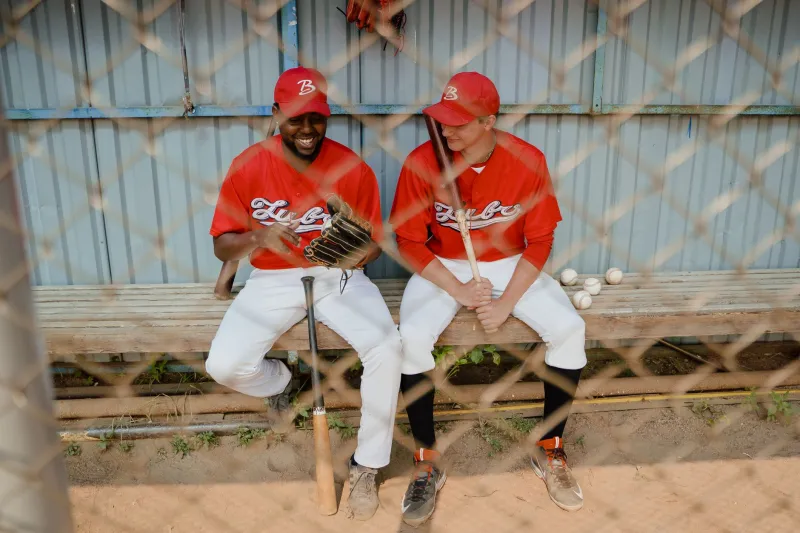
There's a particular kind of pride that doesn't show up in a trophy case. You won't find it on a recruiting website or in a college signing-day announcement. It lives in the worn leather of a catcher's mitt handed down from a grandfather, in the faded black-and-white photo tucked behind the dugout fence, in the way a father leans against the chain-link and watches his son take an inside fastball with the exact same patience he once showed at that very same plate.
In Texas, baseball isn't just a sport passed between generations. For some families, it's the thread that holds everything together.
Three Generations, One Diamond
Drive through any mid-sized Texas town on a warm Saturday morning in March and you'll find them—the families who show up not just as spectators but as participants in an ongoing story. Grandpa sits behind home plate in a folding chair he's been using since the Clinton administration. Dad coaches third base. The youngest kid, maybe ten years old, is shagging fly balls in the outfield while his older brother warms up in the bullpen.
This isn't a coincidence. It's a culture.
What makes Texas different from, say, Ohio or Georgia when it comes to multi-generational baseball families isn't just the sheer volume of talent the state produces. It's the geography of loyalty. Texas is enormous—bigger than France, as locals love to remind you—and yet somehow, its baseball families tend to stay put. Sons follow fathers to the same programs. Brothers play for the same coaches. Cousins face each other in district games before reuniting at Thanksgiving dinner.
The talent doesn't always leave because, frankly, it doesn't have to.
Why Texas Keeps Them Close
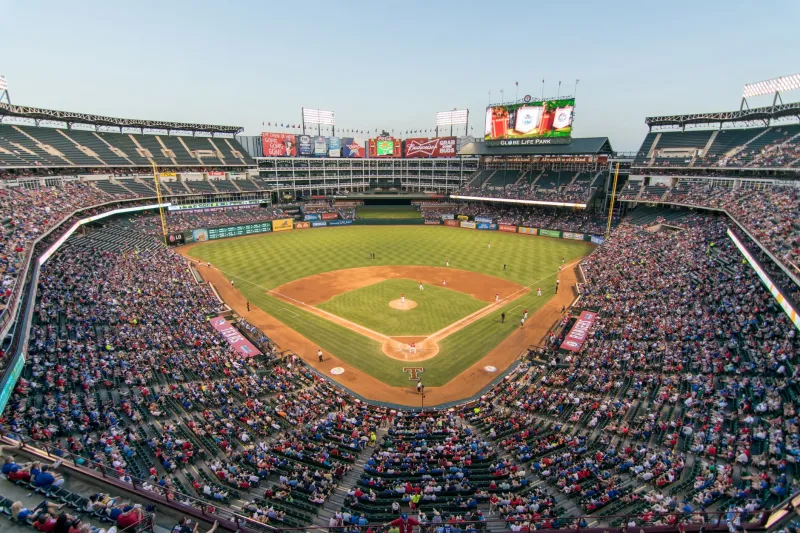
Part of the answer is practical. The state's youth baseball infrastructure is among the richest in the country. From USSSA tournaments in the Metroplex to competitive high school districts in San Antonio and Houston, a player can get elite development and exposure without ever crossing state lines. The University of Texas, Texas A&M, TCU, Rice, Baylor, Sam Houston State—the list of programs capable of developing professional-caliber talent within the state is long and legitimately impressive.
But the deeper answer is cultural. Texas families who've been in the game for two or three generations have built roots that run deeper than any scholarship offer from out of state. There's a gravitational pull to watching your kid play on the same field where you once dove headfirst into second base. There's something irreplaceable about having your own dad in the stands, the guy who taught you to hit off a tee in the backyard, watching his grandson do the same thing with the same mechanics.
That continuity is its own kind of reward.
The Heirloom Game
Talk to enough of these families and a pattern emerges. The sport gets handed down like a piece of furniture that's too good to throw away. A grandfather's stories about playing Connie Mack ball in West Texas become a father's coaching philosophy, which becomes a son's approach to the game before he's even old enough to understand where it all came from.
The equipment travels too. Not always out of necessity—plenty of these families can afford new gear—but out of sentiment. A first baseman's mitt that smells like forty years of Texas summer. A batting helmet with a dent that has its own story. A pair of cleats that got resoled twice because nobody in the family could bring themselves to throw them out.
These aren't just objects. They're evidence of a lineage.
What It Does to the Identity of Texas Baseball
When you start mapping these family trees across the state, something remarkable becomes visible. The same surnames show up in small-town record books across multiple eras. A grandfather who hit .380 for a Panhandle squad in the 1970s. A father who made the all-district team in the late 1990s playing for the same school. A son who just committed to a Big 12 program while wearing the same number his dad wore.
These aren't isolated cases. They're a structural feature of how Texas baseball sustains itself.
Coaches who've been in the game long enough will tell you that the easiest players to develop are the ones who grew up inside a baseball family. Not because they're always the most physically gifted—sometimes they're not—but because they already understand the rhythms of the game before they set foot in a high school program. They know how to lose. They know how to compete. They've watched enough baseball from the dugout fence to have an intuitive sense of the game that no amount of coaching can fully replicate.
That baseball IQ gets passed down just like the equipment.
The Quiet Competition Within the Family
Of course, not every generational story is purely sentimental. There's real competition inside these families too—the healthy kind that Texas seems to produce naturally. Older brothers pushing younger ones. Fathers who were good players setting bars that sons feel pressure to clear. Cousins who grew up playing catch together and then faced each other in the playoffs with genuine intensity.
Some players thrive under that weight. Others find their own path within the family tradition, maybe shifting from shortstop to pitcher, or from player to coach, finding a different way to carry the legacy forward without being crushed by it.
The families that last across generations tend to be the ones that make room for all of it—the pressure, the pride, the occasional need to step out from under a grandfather's shadow and become something new.
Still Here, Still Playing
What ultimately keeps these families rooted in Texas isn't just geography or infrastructure or even sentiment. It's the understanding that the game itself is bigger than any single player, any single season, any single generation. The grandfather who played under lights strung between two fence posts in a dusty West Texas field wasn't thinking about his grandson's ERA. He was just playing ball.
But somehow, that's exactly what he was building.
In Texas, baseball has always been more than a sport. For these families, it's a conversation that never really ends—one that stretches back decades and, if the tradition holds, will keep going long after the current generation hangs up their cleats.
The field stays the same. The dirt gets a little redder every year. And somewhere in the stands, another grandfather is watching another grandson take that inside fastball with the exact same patience.
Some things in Texas just don't change. That's not a flaw. That's the whole point.