Triple-Digit Dedication: Inside the Brutal Texas Summer Grind That Builds Tomorrow's Baseball Stars
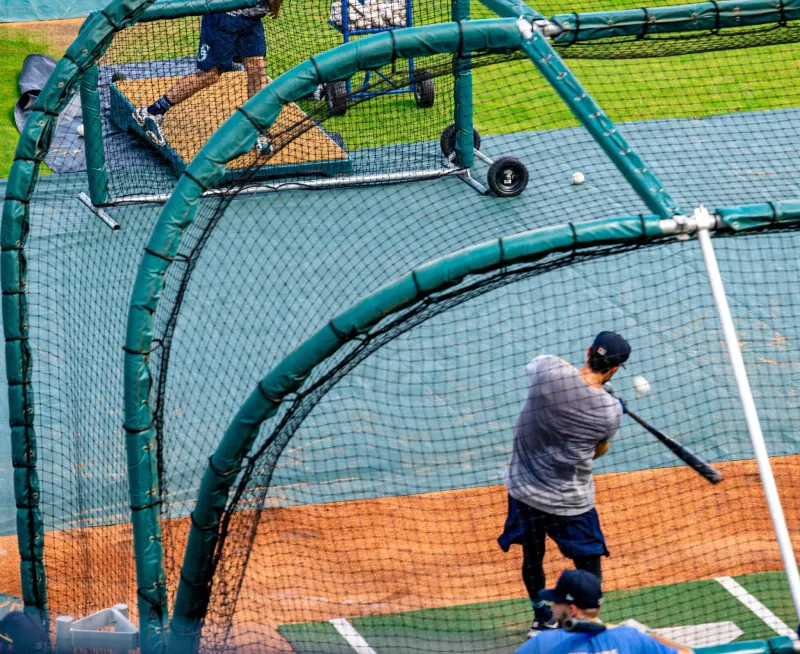
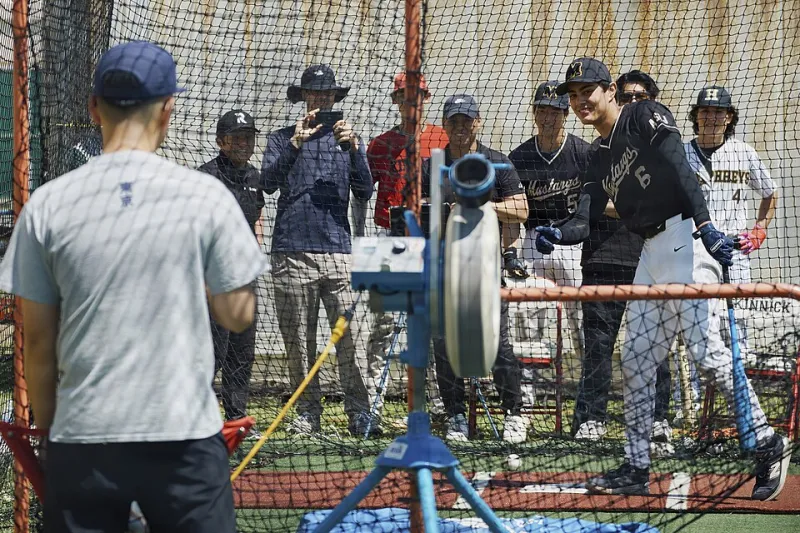
Photo: teenage baseball player training summer heat Texas batting practice, via www.coachup.com
The thermometer reads 104 degrees. It's 2 p.m. on a Wednesday in July, somewhere between San Antonio and nowhere, and a sixteen-year-old shortstop is taking his forty-seventh ground ball of the afternoon. His shirt is soaked through. There's no shade. His coach hits another sharp one to his backhand, and he fires to first without thinking.
This is the Texas summer baseball grind. And it is not for the faint of heart.
The Offseason That Isn't
Let's get one thing straight: in Texas, there is no baseball offseason. The calendar might say summer vacation, but the moment the high school playoffs end, the real work begins. Travel ball rosters form. Showcase invites get chased. Backyard cages get lit up after dinner and stay that way until the mosquitoes get unbearable — or sometimes after.
"Other states take a break," says hitting instructor Ramon Delgado, who runs a private training facility outside of Houston and has worked with dozens of players who've gone on to college and pro ball. "Texas kids don't really know how to do that. They're wired different. The culture here pushes them to keep going, and honestly, that's both a gift and a responsibility."
That culture is real. It's built into the fabric of Texas youth baseball, reinforced by coaches, parents, and the players themselves — kids who grew up watching guys from their own towns get drafted, and who've decided that if it happened for them, it can happen for me.
The Showcase Circuit: A Summer Job With No Paycheck
For high school players with college or pro ambitions, the summer isn't about relaxing at the lake. It's about performing in front of the right people at the right time. The showcase circuit — a rotating series of events where scouts and college coaches evaluate prospects — runs hot from June through August, and Texas families invest heavily to keep their kids in it.
Travel ball fees, tournament entry costs, hotel rooms, gas money — it adds up fast. For some families, it's a serious financial stretch. But the logic is simple: if your kid has the talent, the exposure could change his life.
"We drove nine hours to a showcase in Tennessee last summer," says one father from the Dallas-Fort Worth area, whose son is a high school junior with multiple college offers. "My wife and I took time off work. But you do it because you believe in him, and because you know the scouts aren't coming to your backyard."
The kids who thrive on this circuit aren't just the most talented — they're the most resilient. They learn to perform when they're tired, when the field is bad, when the umpire is inconsistent, and when they've already played two games that day. That mental toughness? It's forged in the Texas summer, and it doesn't wash off.
Small-Town Field Lights and Midnight Reps
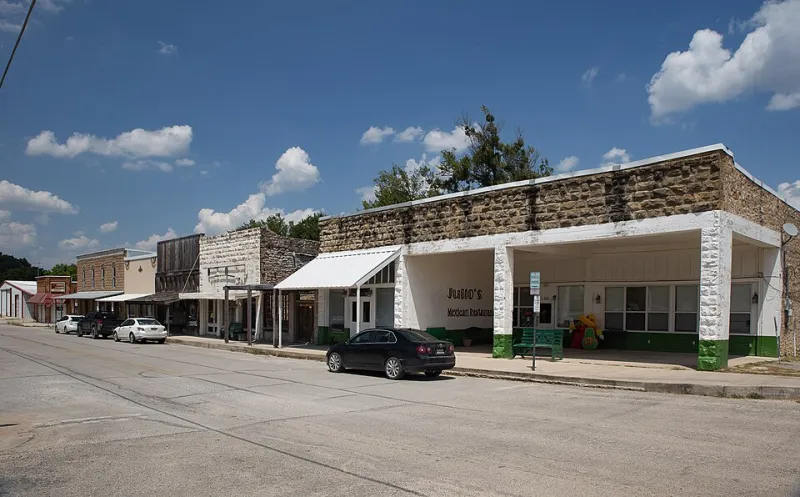
Not every Texas baseball story happens on a well-manicured showcase diamond. Some of the best development work in the state takes place on small-town fields with questionable infield dirt and light towers that flicker when the wind picks up.
In towns across rural Texas — from Stephenville to Uvalde to Nacogdoches — there's a familiar summer ritual: local kids gathering at the community park or high school field after dinner, taking batting practice under the lights until the coaches finally call it a night. Sometimes that's 10 p.m. Sometimes it's later.
"There's something about those late-night reps that I think is underrated," says former college pitcher and current youth coach Travis Henley, who grew up in East Texas and now coaches summer ball in the same town where he learned the game. "You're tired. It's hot even at night. You're not performing for anybody. You're just putting in the work because you want to get better. That's where character gets built."
Those sessions aren't glamorous. There are no radar guns or video analysis apps. Just repetition, accountability, and the kind of quiet competitiveness that doesn't need an audience to burn.
The Superstitions and Rituals That Keep Them Sane
Spend enough time around Texas summer baseball and you'll notice something else: the superstitions. They're everywhere, and they are deeply personal.
One pitcher won't touch the foul line — ever, under any circumstances, including during warm-ups. A catcher in the Hill Country refuses to wash his batting gloves during a hitting streak, regardless of how they smell. A shortstop from the Rio Grande Valley eats the exact same meal — two beef tacos and a Gatorade — before every showcase.
These rituals aren't just quirks. They're coping mechanisms. When you're a teenager trying to perform under enormous pressure, in brutal heat, with your future feeling like it hinges on a single at-bat, you hold on to whatever keeps you grounded. The routines create calm. They create control in a sport that offers very little of it.
"Baseball is a game of failure," Delgado says. "The best hitters in the world fail seven out of ten times. These kids are learning how to handle that, day after day, in the middle of a Texas summer. By the time fall comes around, the ones who stuck it out are different players. Different people, really."
What the Grind Produces
The Texas summer baseball culture isn't perfect. Burnout is real. Overuse injuries are a genuine concern. Some kids who should be enjoying their youth spend it chasing a dream that may not be theirs to catch. These are legitimate conversations worth having.
But when the system works — when a kid with real talent meets the right coach, puts in the summer work, and comes out the other side with refined mechanics and a toughened mind — what gets produced is something special. It's the kind of player who doesn't rattle. Who knows what it means to grind.
Texas produces that player over and over again, every summer, in towns big and small, on fields with perfect turf and fields with none at all. The heat doesn't discriminate. And neither does the game.
If you want to know why Texas keeps sending players to college programs and pro rosters at a rate that makes the rest of the country take notice, start here. Start in July. Start with the kid taking ground balls in 104-degree heat, long after most people have gone inside.
He's not doing it for the highlight reel. He's doing it because this is Texas, and out here, that's just what you do.